


 Listen Live
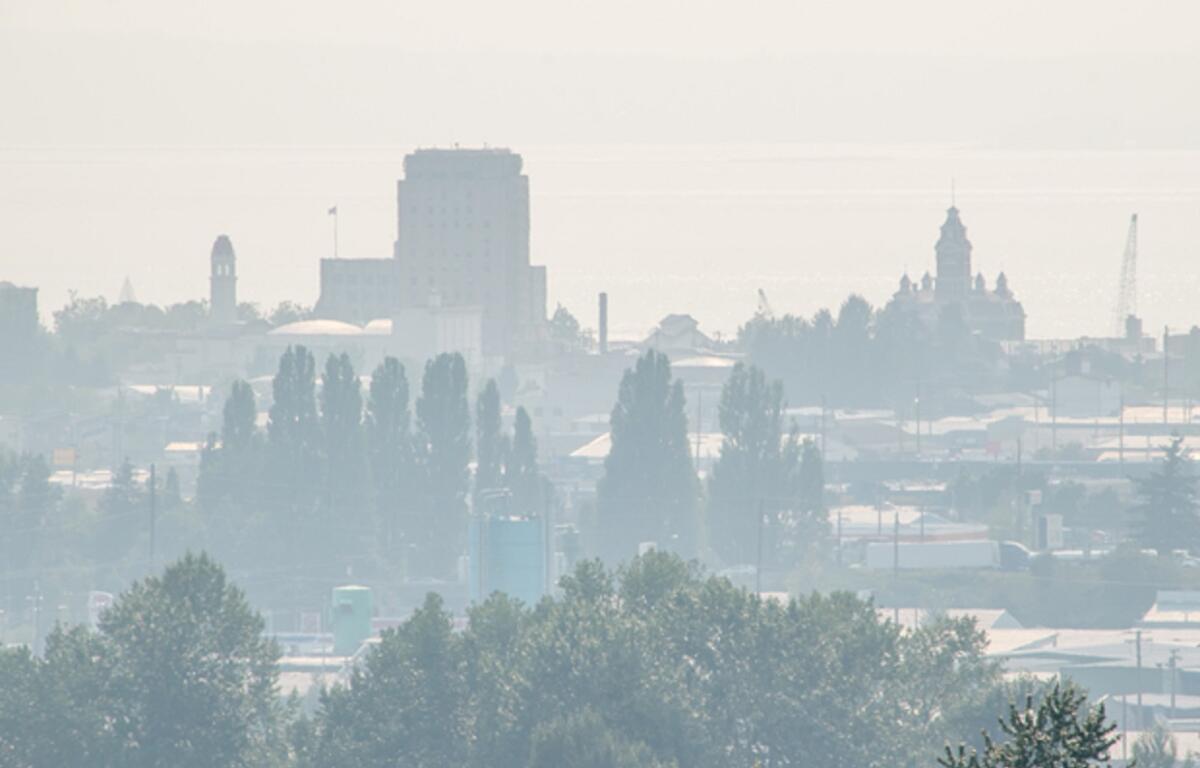

Air quality will receive a lot of attention in May.
- Air Quality Awareness Week (May 4-8) is an annual look at the many different factors that can impact air quality, ranging from wildfire smoke and vehicle exhaust to indoor air quality and health challenges.
- All of May is Wildfire Awareness Month, which is dedicated to raising awareness about the risks of wildfires and encouraging proactive measures to protect homes, communities, and natural resources. It’s observed nationwide, with particular emphasis in fire-prone regions, and aims to educate the public on prevention, preparedness, and response strategies as temperatures rise and vegetation dries out, increasing wildfire risk.
- And it’s also Asthma Awareness Month, which is dedicated to raising awareness about asthma, a common chronic inflammatory disease of the airways that can be worsened by wildfire smoke and other air pollution. (World Asthma Day will be observed on May 5 during Air Quality Awareness Week.)
We’ve said this before and we will say it again: It’s a good time to start planning and preparing for how you can protect yourself and others from the dangers of wildfire smoke in Island, San Juan, Skagit, and Whatcom counties.
“With NOAA forecasting a hot, dry May-July and snowpacks at record lows, the Pacific Northwest is entering a high-confidence ‘critical’ fire season. The absence of a mountain moisture buffer means fuels will be ready to burn weeks earlier than normal,” said Evan Bing, who manages the Northwest Clean Air Agency’s monitor and sensor network and provides air quality forecasts.
“As of April 2026, Washington’s statewide snowpack sits at 53% of the median, placing this year in the 5th percentile of all years on record. In other words, snowpack levels for this time of year are lower than 95 percent of years since 1985,” Bing said.
As we have seen during the past several years, wildfires don’t even have to be in northwest Washington. We have seen smoke pour in from fires in Canada, Eastern Washington, Oregon, California, Idaho, and even overseas locations.
One thing all this smoke has in common: The too-tiny-to-see particles that you can inhale deeply into your lungs, where they damage delicate tissues.
People with heart and lung issues, the elderly, and children are most at risk. But anyone can be harmed by breathing in smoke.
It’s important for everyone to reduce their exposure to smoke. Wildfire smoke irritates your eyes, nose, throat, and lungs. It can make it hard to breathe and make you cough or wheeze.
Stay inside as much as possible with doors and windows closed
Make sure you’re aware of possible wildfire smoke events before the smoke reaches our area and have a plan!
- Track local media reports.
- Pay attention to local government alerts.
- Check NWCAA’s social media (X/Twitter, Facebook, Threads, and Instagram) and our website (https://nwcleanairwa.gov/).
Also, be sure to check out these handy resources:
- NWCAA’s Wildfire Smoke Information page – https://bit.ly/3NKEh0B
- NWCAA’s Air Quality Center – https://nwcleanairwa.gov/air-quality-center/
- AirNow Fire and Smoke Map – https://fire.airnow.gov/
- Washington Smoke Blog – https://wasmoke.blogspot.com/
- How to make your own clean air fan (video) – https://www.youtube.com/watch?v=ujUFj2G9_-Y
NWCAA will share more information as it becomes available.