


 Listen Live
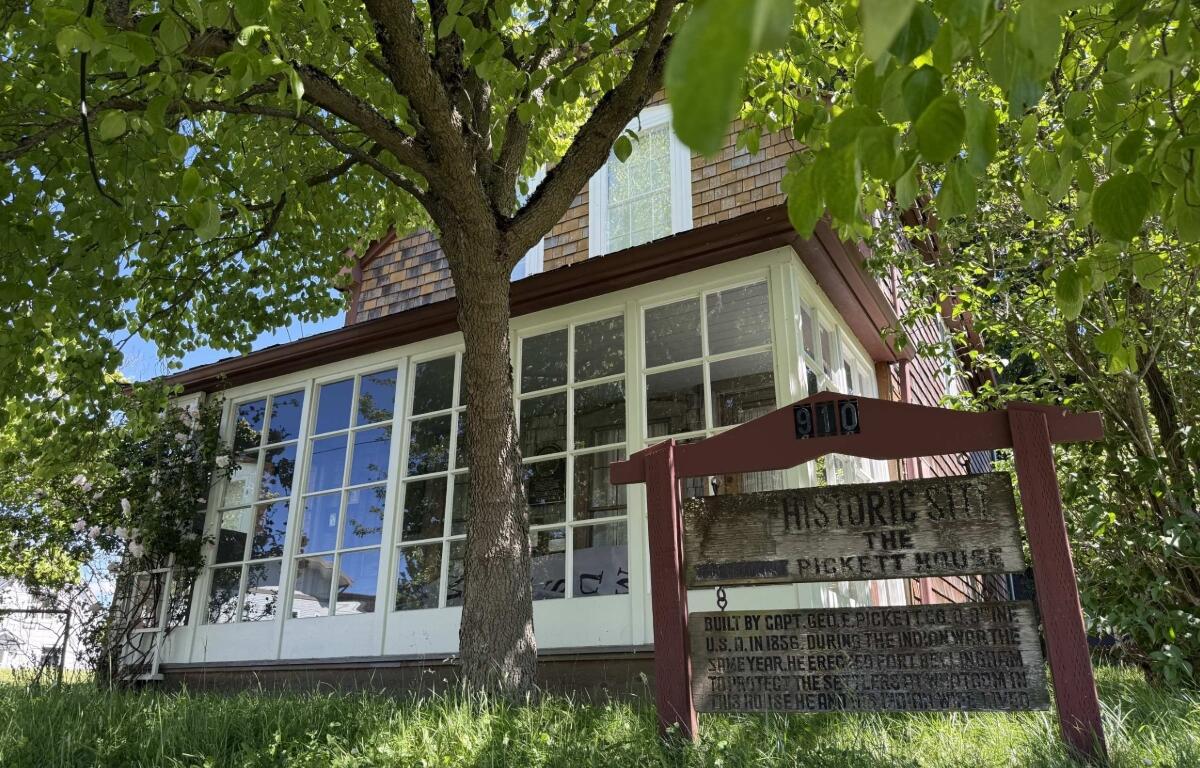

WHATCOM COUNTY, WA (MyBellinghamNow.com) – Many famous people have had ties to Whatcom County, but it’s likely that none was more controversial than George E. Pickett.
He was born in Virginia in 1825 and raised on his family’s plantation in that state. Pickett attended West Point and graduated last in his class in 1946. But he proved to be popular and showed courage. This led to promotions that eventually made him a captain while he served in the Mexican-American War.
The army sent him to serve in the restless western frontier after that war, first in Texas. He met and married his first wife there in 1851. She and their baby son both died during childbirth that same year.
Pickett ordered to the Pacific NW
Native American tribes in the Washington Territory went to war over unfair treaties in 1855 and Pickett was sent to command an infantry regiment at Fort Steilacoom in Pierce County.
Hostilities died down in 1856, and he and his men were ordered to Whatcom County to build a fort on the north shore of Bellingham Bay. Pickett had a house built for himself near Fort Bellingham, and it still stands today at 910 Bancroft St.
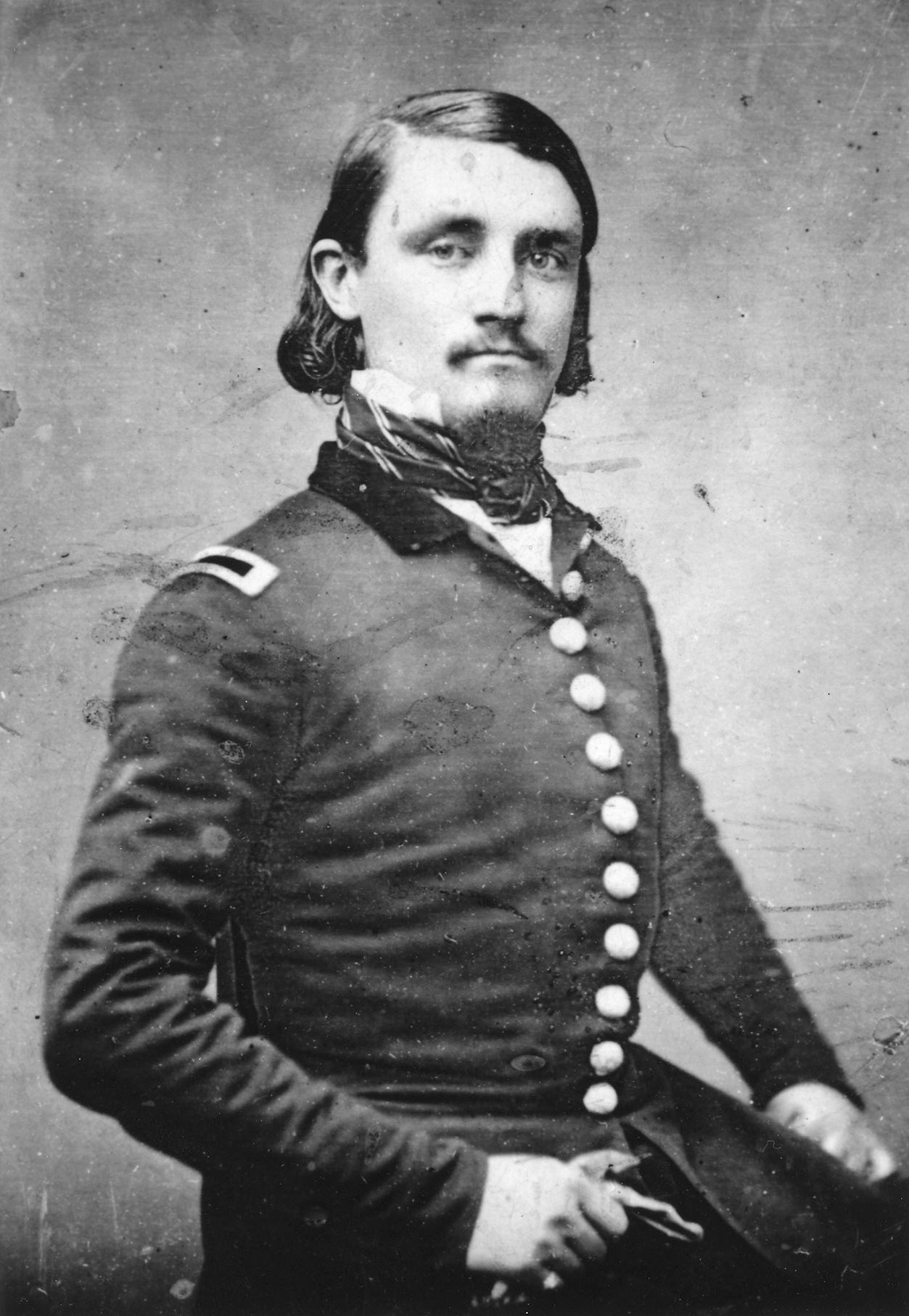
He met and married an Indigenous woman in Bellingham that same year and by all accounts he cared for her deeply. She bore him a son on New Years Eve 1857, but she died from complications of childbirth weeks later.
Pickett also loved his son, James Tilton Pickett, but his military commitments kept them apart for long stretches. He eventually gave the boy up to a Quaker couple who raised him near Olympia. He paid the couple a regular stipend to care for the boy, but father and son never saw each other again. James Pickett proved to be a talented artist and had an accomplished career in Portland and San Francisco.
Pickett and the Pig War
In 1859, an American settler on San Juan Island shot and killed a pig owned by a British farmer. The two parties couldn’t agree on restitution and tempers flared, prompting the Army to send Pickett and his men to the island to protect American interests.
Pickett oversaw construction of American Camp on the south end of the island while the British established British Camp to the north. A stalemate ensued and the pig became the only casualty of what became known as the Pig War.
Pickett’s loyalty remained with his home state
The U.S. Civil War broke out in 1861, and Pickett made the decision to resign from the Army and make his way back to his native Virginia to fight for the Confederacy.
He was promoted to general and perhaps gained his greatest claim to fame—and infamy—in 1863 during the Battle of Gettysburg. General Robert E. Lee ordered Pickett and his men to attack the heart of the Union line in what became known as Pickett’s Charge. It was a bloody disaster, as more than half his men and all his commanders were either killed, wounded or taken prisoner.
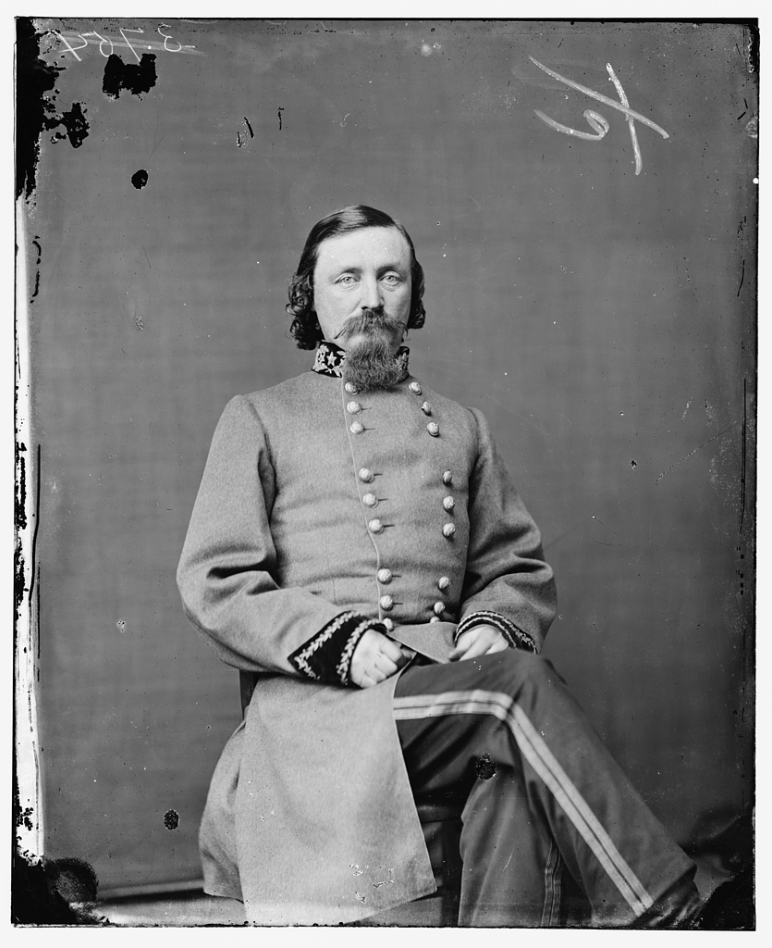
Pickett went on to command troops in other battles, but none were terribly successful. He married his third wife, with whom he fathered two more sons, shortly after Gettysburg, and the family fled to Canada briefly after the war as Pickett feared he would be prosecuted for war crimes. They returned to the U.S. after Ulysses S. Grant declared that he would not be indicted for his actions.
It’s said that he was haunted by the loss of so many under his command at Gettysburg, and he lived quietly and in declining health until he died in 1875.
Pickett’s legacy lives on in Whatcom
The Pickett House in Bellingham changed hands over the years, but its last owner deeded it to the Washington State Historical Society in 1936. It was designated a museum in 1946 and is recognized as the oldest wooden building on its own foundation in Washington state.
In addition to Fort Bellingham and the Pickett House, George Pickett ordered the construction of the first bridge over Whatcom Creek in Bellingham. It was a wooden military bridge that was later replaced by a more permanent bridge at the site on Dupont Street.
The Whatcom Chapter of the Daughters of Pioneers mounted a plaque declaring it Pickett Bridge in 1920. But Pickett’s service to the Confederacy was controversial and the Bellingham City Council voted unanimously in November 2019 to permanently remove the plaque and his name from the bridge.
This story is part of a periodic series about local history in Whatcom County as the United States of America celebrates 250 years since its founding.
Information from The Free Online Encyclopedia of Washington State History – HistoryLink.org, the Encyclopedia Virginia and the City of Bellingham George E. Pickett House (910 Bancroft Street) – City of Bellingham was used for this article.