


 Listen Live

WHATCOM COUNTY, WA (MyBellinghamNow.com) – In our state, we’re no stranger to natural disasters or emergencies. From the eruption of Mount St. Helen in 1980 to more recent floods, landslides and the wildfires currently burning around the state, we’ve been profoundly impacted.
In Whatcom County, we’re still recovering from the impacts of flooding last December (and the 2021 floods!) Aug. 9 was the final deadline to apply for SBA and FEMA assistance; however, related work continues through Whatcom Long Term Recovery Group as many continue to rebuild or elevate their homes.
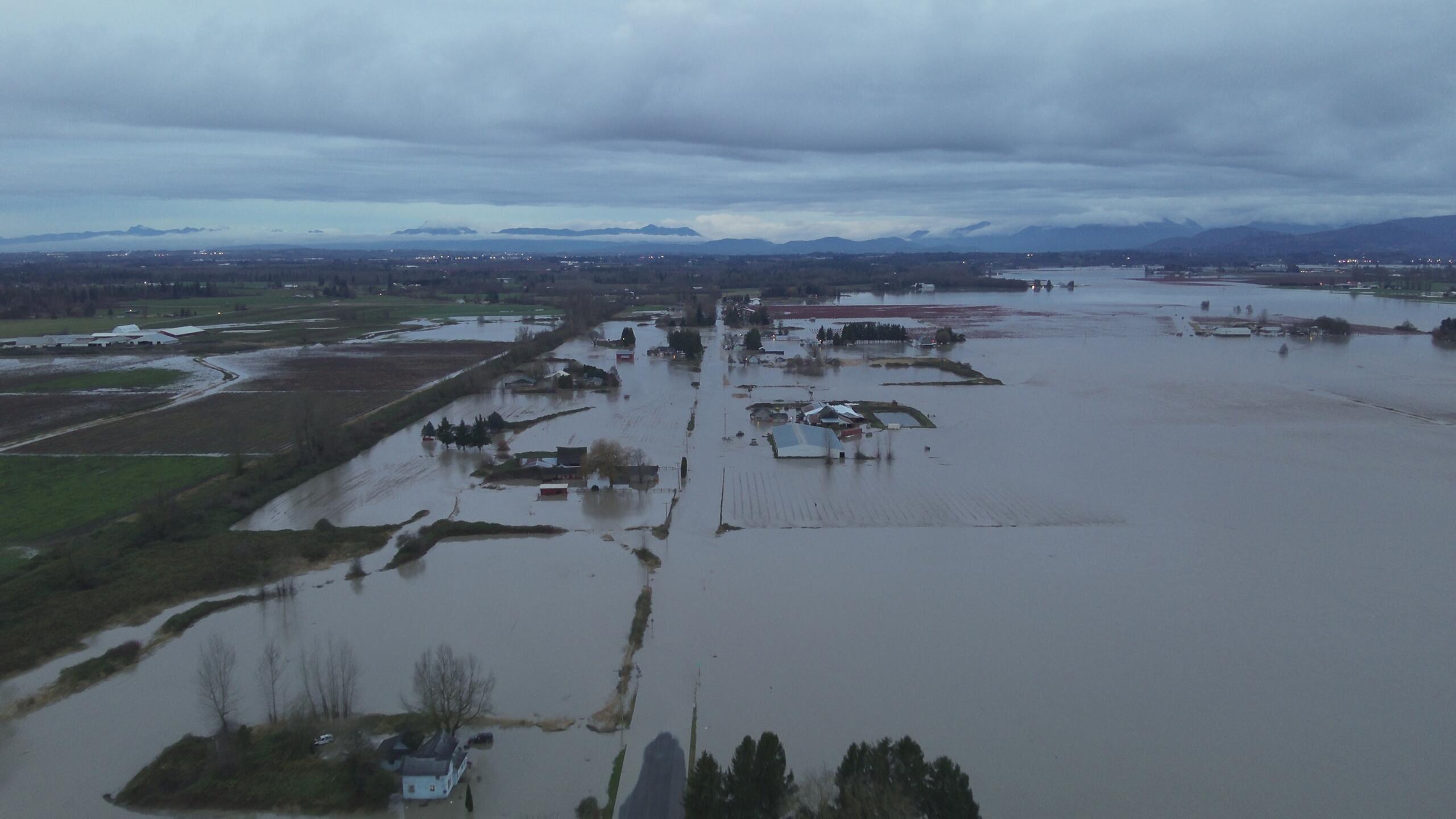
Reducing or mitigating those impacts – if not preventing them altogether – is just one element of emergency management.
Response, the immediate actions taken when disaster strikes, is visible and significant. Emergency Management (EM) works around the clock to coordinate essential needs like staffing, temporary shelter, food and supplies.
As time passes, EM work transitions to recovery, which can mean connecting those who’ve suffered losses with agencies that can help.
But the EM cycle starts with preparation. In the days or months between disasters, EM is still busy. Doing what?
- Sharing what individuals can do to get ready, such as Prepare in a Year to become Two Weeks Ready
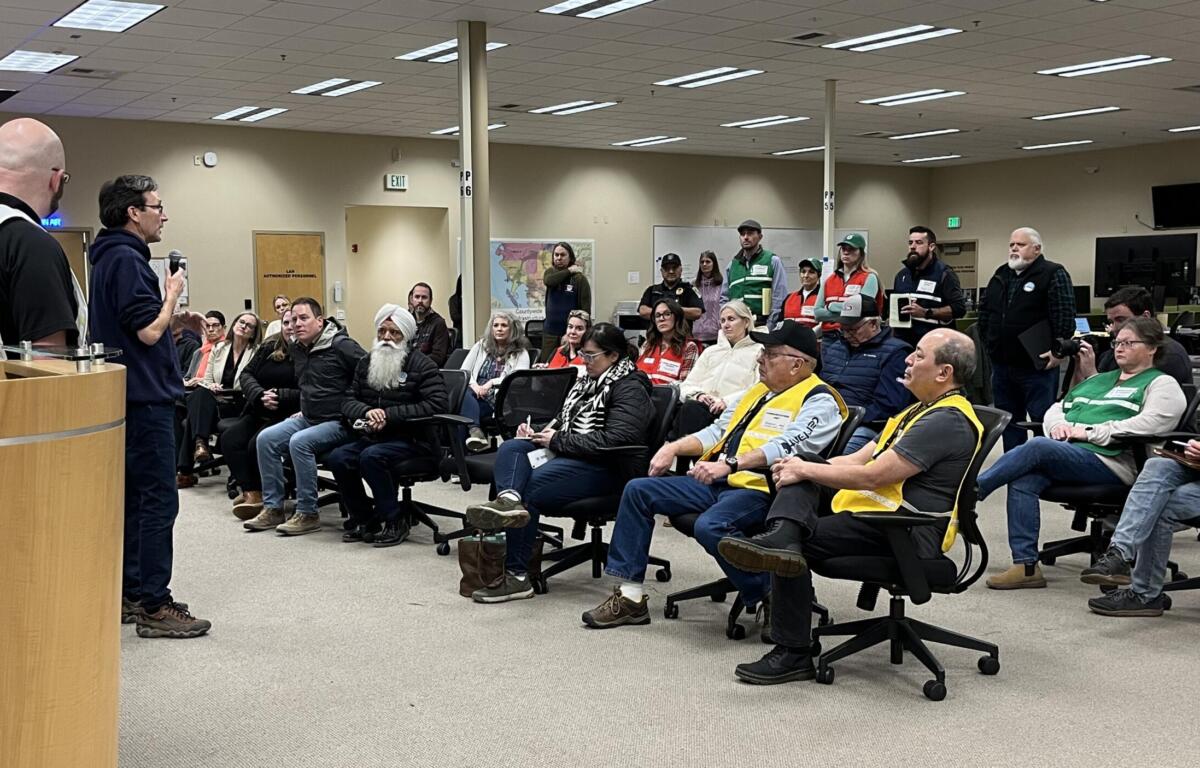
- Teaching Community Emergency Response Team (CERT) courses to empower communities to deliver immediate needs assistance before First Responders arrive
- Encouraging households to opt-in to receive alerts and warnings as disasters develop
- Building relationships with agencies and funding sources our community will need when the next disaster hits
- Host and deliver trainings to support first responder capabilities
- Building and testing plans (with drills and exercises) to help our community prepare for tsunamis, Mt. Baker activity, severe storms, wildfire and other hazards; and activities such as the annual all-Whatcom County winter storm briefing.
Why does the work of local EM matter to you? Well, depending on where in Whatcom County you live – check out the county’s hazards webpage – you could be at risk. What kind of hazards? Click on this link and enter your address. You might be surprised.
Amy Cloud is the Public Information Officer (PIO) for the Sheriff’s Office Division of Emergency Management. She was born and raised locally, leaving for Whitman College and work in Seattle, Knoxville and Washington, D.C. She returned to work as Supervising News Producer and reporter for KVOS-TV’s NewsView before switching to communications for WWU, PeaceHealth and the City of Bellingham. She also co-chairs the Community PIO Group and is a member of the Governor’s Committee on Disability Issues.