


 Listen Live


BELLINGHAM, WA (MyBellinghamNow.com) – Bellingham is moving forward with its partial ban of an over-the-counter drug that’s facing increased scrutiny.
The Bellingham City Council voted unanimously on Monday, Sept. 14, to approve an ordinance prohibiting the sale, distribution and preparation of kratom products.
Any violation will be considered a gross misdemeanor, which is penalized by up to a year in prison or up to a $5,000 fine.
The ordinance does not ban the possession or purchase of kratom.
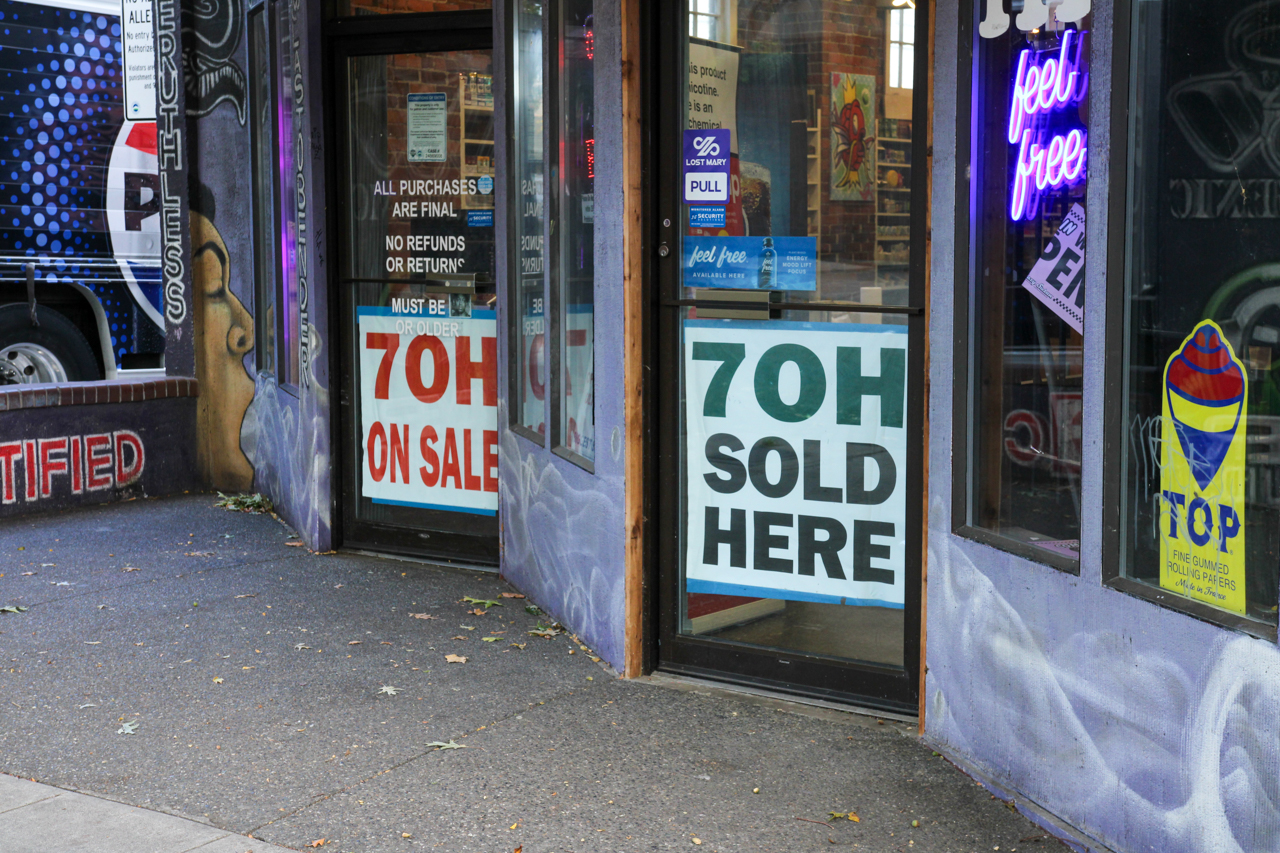
Community members spoke during the public comment period about the need to distinguish between the whole-leaf kratom product and synthetic, more potent forms of kratom known as 7-hydroxymitragynine, or 7-OH.
Councilmember Michael Lilliquist later criticized the lack of existing state and federal regulations surrounding kratom, calling the city’s ordinance a “band-aid.”
“Ideally, we’d have a system for testing when you have a natural leaf product and when you have highly-concentrated synthetic mitragynine. We don’t have that system,” Lilliquist said at the meeting. “There’s no way that anyone who wants to enforce this could go into a store and know. They could guess, they could be told, it could say on the package, but there’s no guarantee that any of that is true, because there’s no regulation.”
The ordinance will return for final approval at a future council meeting.
It comes after Mount Vernon approved a similar ban last month, following suit with several other cities across the state. A statewide 95% excise tax on kratom and its relatives was entertained by the state legislature last session, though the bill never made it past its first committee hearing.
Cascadia Daily News has previously reported on the rise of kratom use throughout Whatcom County, with local clinicians seeing an uptick in patients addicted to the largely unregulated drug.
The DEA announced an emergency scheduling of three 7-OH-related substances last month that places them into Schedule I for two years, making them illegal to sell or possess.