


 Listen Live
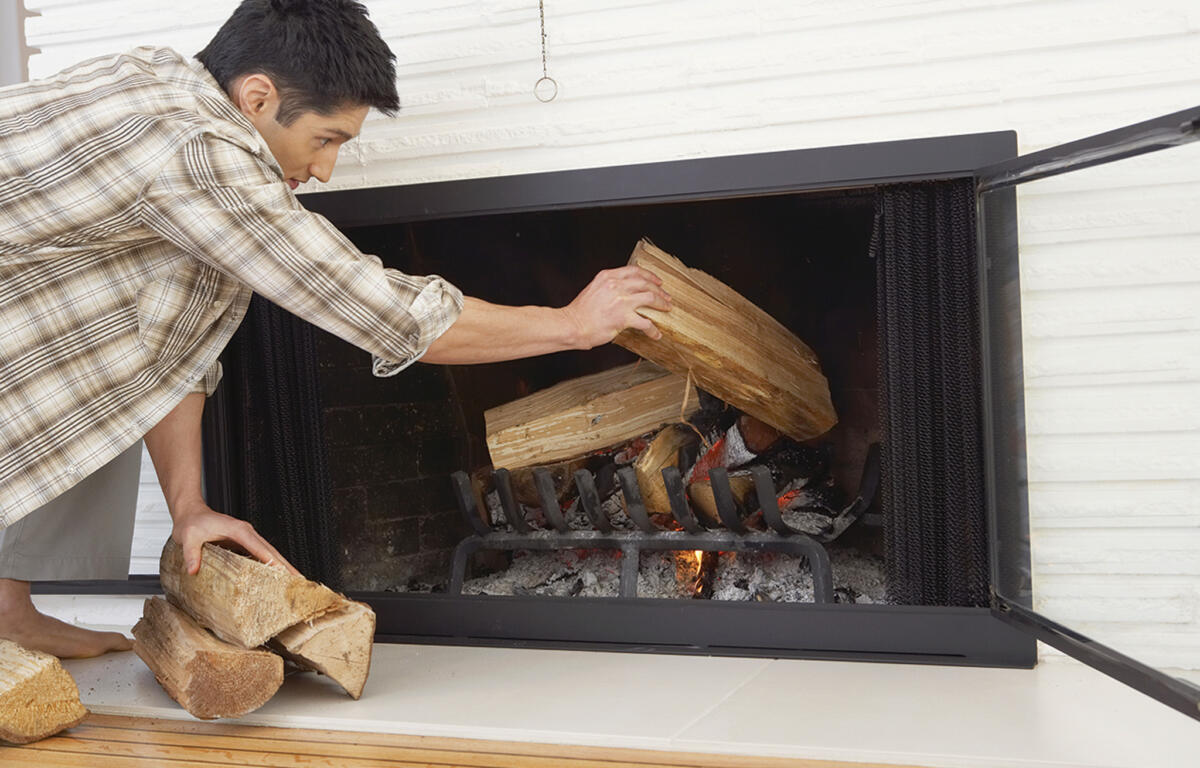

Spring will soon be here, so it’s a good time to start thinking about next winter if you use wood for home heating.
First, a note: Wood burning for heat can produce harmful levels of smoke. You can easily inhale the too-tiny-to-see particles in smoke deeply into your lungs, where they damage delicate tissues.
People with heart and lung issues, the elderly, and children are most at risk. But anyone can be harmed by breathing in smoke.
However, some people are going to heat with wood for a variety of reasons. In some cases, it’s literally their only option for heating their home. In others, it’s because doing so is cheaper than using electricity, natural gas, or propane.
Whatever the reason, we at the Northwest Clean Air Agency urge people in Island, San Juan, Skagit, and Whatcom counties to take steps to limit the amount of harmful smoke produced by burning wood. We also encourage people to avoid burning at all if possible.
But if you do burn, start gathering your wood now, so it will be ready to burn as cleanly as possible when winter weather sets in. It needs time to dry out or “season.”
The best place to start: Only burn dry, clean firewood.
- You get more efficient, quality heat.
- You use less wood, so you save money that you otherwise would spend on buying more wood.
- You produce less smoke that can harm you, your neighbors, and your community’s air quality.
This video illustrates the differences between burning dry wood and wet wood (https://bit.ly/3ts0ZeD).
Looking for a good resource for more information? Try the U.S. EPA’s Burn Wise program’s tips for best wood-burning practices (https://www.epa.gov/burnwise/best-wood-burning-practices).
Here are some examples:
- Season wood for at least six months. Be sure to store wood outdoors, off the ground, with only the top covered – covering the sides traps in moisture.
- Wood burns best at a moisture content of less than 20 percent. Test wood with a wood moisture meter before you burn it.
And what NOT to burn because these materials can release toxic or harmful chemicals:
- Household trash, including cardboard, plastics, foam and the colored ink on magazines, boxes, and wrappers.
- Coated, painted, and pressure-treated wood.
- Ocean driftwood, plywood, particle board, or any wood with glue on or in it.
- Wet, rotted, diseased, or moldy wood.
Remember – if you must burn, burn only DRY, CLEAN wood.