


 Listen Live

WHATCOM COUNTY, WA (MyBellinghamNow.com) – Raise your hand if you’ve ever pressed your lips onto Resusci Annie.
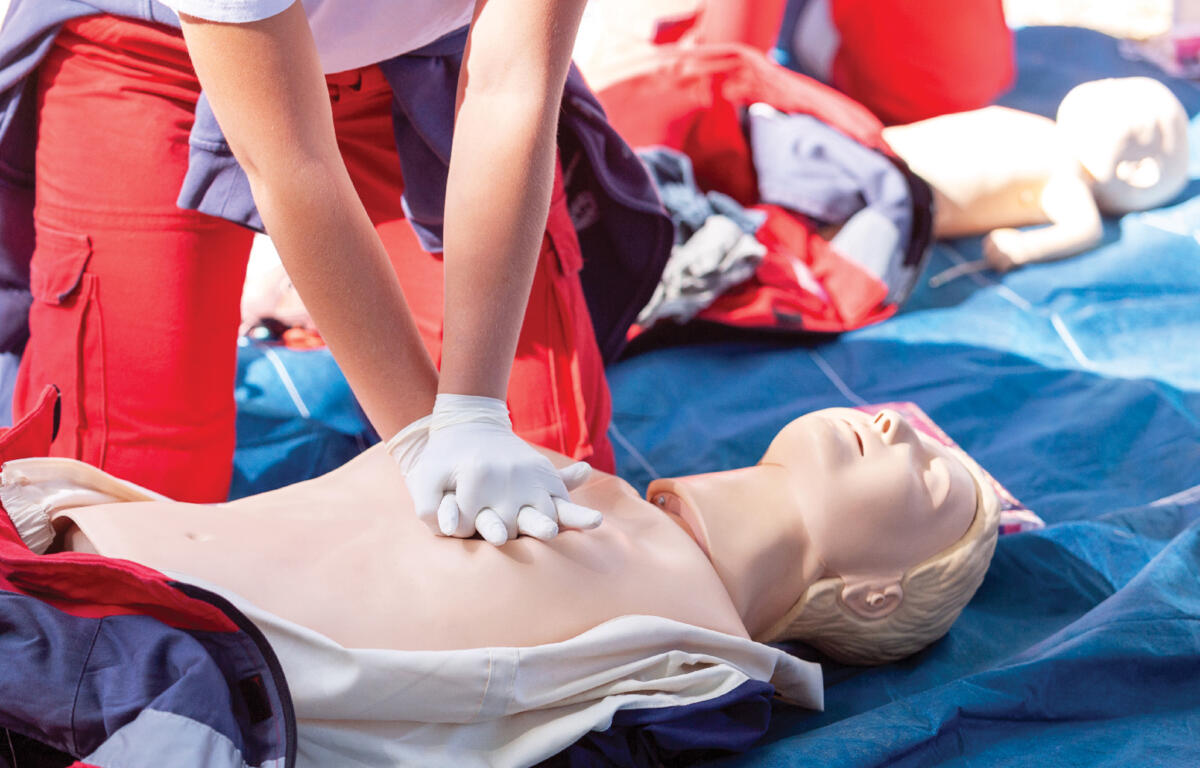
For generations, locals have learned to give the “breath of life” by puffing into a mannequin, alternating with chest compressions. (If you’re one of those, thank you!)
According to medical writer Timothy M. Smith, “CPR saves lives – just not as many as it should.” He says that’s because not enough of us know how to provide cardio-pulmonary resuscitation CPR). Why not? For some it’s that mouth-to-mouth contact. Good news: current training no longer includes breaths – just rapid chest compression – so cross off that objection.
In fact, there is no good reason not learn CPR. Especially since every minute that passes – once a person stops breathing – without CPR invention makes survival less likely.
Timing is everything.
Sheriff’s Deputy Julie Baker knows that, first-hand. Last September she responded to a call at the Mount Baker High School. A community member was found unresponsive at the track where he often walked.
Deputy Baker was trained in CPR and delivered life-saving compressions. The man recovered, his life was restored.
“I absolutely recommend CPR training,” says Deputy Baker. “Without it, I can imagine how helpless someone would feel if it were their loved one in need of help.”
Life-saving CPR is important to know, even if you never have to use it. Meanwhile First Aid is something you will definitely use, even if it’s not to save a life.
We’re all vulnerable to injury, from skinned knuckles to broken bones. If you know what to do quickly, you can keep a bad situation from becoming worse.
For instance, if you’re home alone and start choking? Sheriff’s Deputy Trent Leach is a First Aid trainer who advises calling 911 and going outside. Because if you’re alone and unable to dislodge what’s choking you, others will see you and can intervene.
Ready to sign up for CPR or First Aid training? (Thank you!) Here’s how to get started:
- Whatcom County fire department-hosted trainings
- American Red Cross courses
Amy Cloud is the Public Information Officer (PIO) for the Sheriff’s Office Division of Emergency Management. She was born and raised locally, leaving for Whitman College and work in Seattle, Knoxville and Washington, D.C. She returned to work as Supervising News Producer and reporter for KVOS-TV’s NewsView before switching to communications for WWU, PeaceHealth and the City of Bellingham. She also co-chairs the Community PIO Group and is a member of the Governor’s Committee on Disability Issues.