


 Listen Live
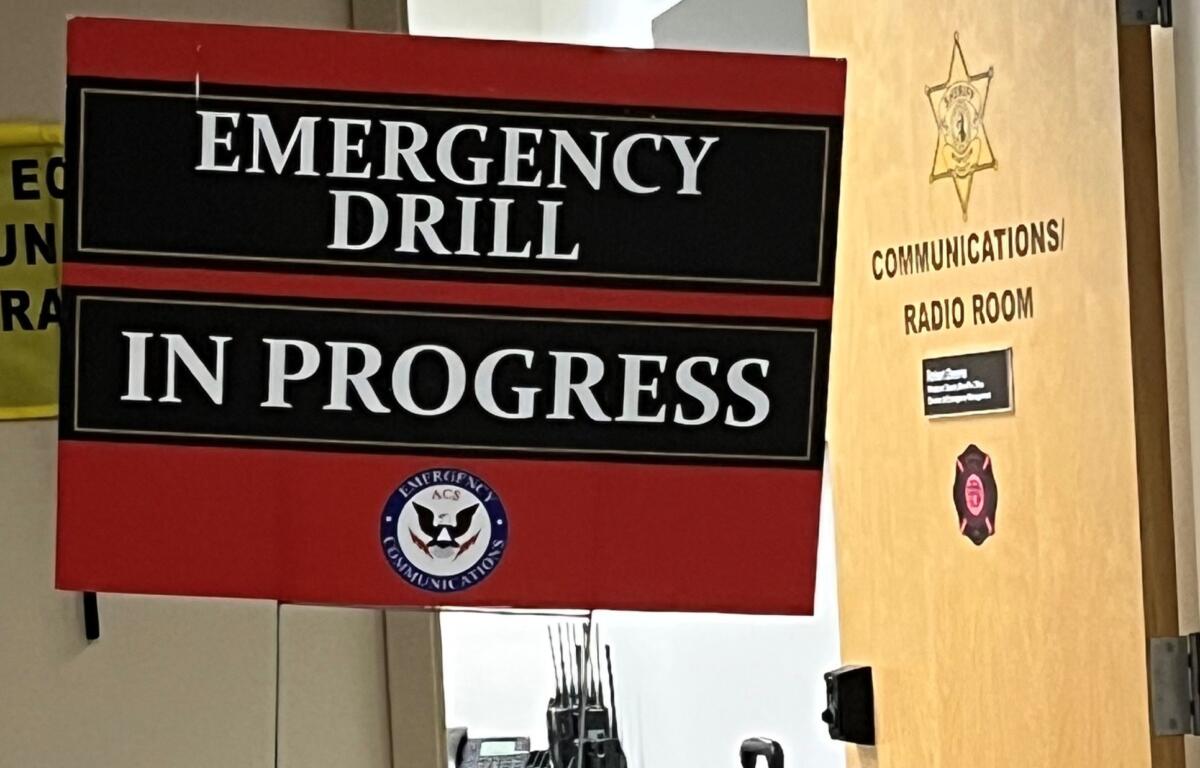

When the Twin Towers in New York City were destroyed by terrorists on 9/11, communications shut down for 50 miles in every direction. Closer to home, something similar happened when the I-5 bridge collapsed over the Skagit River. Frantic callers quickly overwhelmed the cell phone towers.
When cell phones and the internet go down, radio is the enduring communications channel. Ensuring that channel remains operable for first responders and officials on both sides of the US-Canada border is vital, especially now.
This summer, tourists and athletes from all over the world are coming for World Cup games in Seattle and Vancouver, BC. Local FIFA volunteers, ham radio operators and others are working to protect communication channels.
Robert Greene, communications manager for the Whatcom County Sheriff’s Office Division of Emergency Management (DEM), has been partnering with Canadian agencies as well as ham radio – Whatcom Auxiliary Communication Service (ACS), the Whatcom Emergency Communications Group (WECG), and others such as Civil Air Patrol.
At an exercise Saturday morning, March 28 at Bellis Fair Mall, volunteers from those agencies armed with hand-held antennas will be searching for radio jammers. (If you’re at the mall before 11 a.m. you’ll be able to identify exercise volunteers by their orange vests, radios and antennas.)
Scott Voss (ACS, WECG) designed the exercise, which will test the ability of participants to identify and locate devices jamming essential radio frequencies. (Jamming devices will be concealed in a labelled box or a backpack, tucked out of view.)
“The goal of this Fox Hunt drill is to locate interference – intentional or otherwise,” said Voss.
Earlier this year Greene says they located an inadvertent jammer in the county. For World Cup, they’re focusing on work to thwart potential “bad actors.”
“They could make it impossible for dispatch to reach first responders or for those in the field to communicate with the hospital,” said Greene.
With the potential of hundreds of thousands of visitors to our community through World Cup, anything we can do to avert harm and respond quickly is paramount.
If disaster strikes – whether at a soccer match, along the border, or during a wildfire – having robust, protected emergency communications could save lives.