


 Listen Live
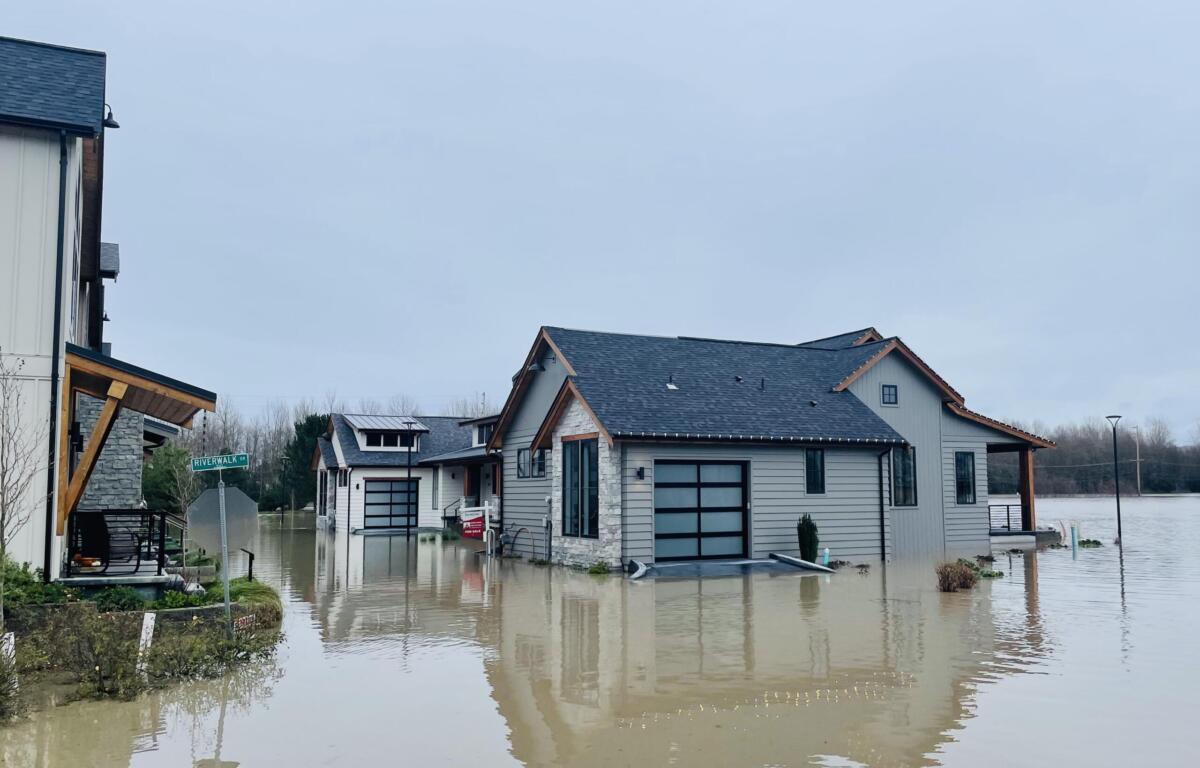

More than a month after flooding covered much of Whatcom County, causing millions of dollars in damage to homes and businesses, the water has receded. The work has not.
During active flooding, the response was immediate and visible. The county mobilized resources including Search-and-Rescue, established shelters and debris sites, helped coordinate support to muck out damaged structures, and disposed of 4.7 million pounds of flood debris.
Then what?
After the noise and commotion of emergency response subsides, the quieter, less visible work of recovery begins. We’re no longer in a sprint; the marathon has begun.
Recovery includes: setting up Disaster Assistance Centers (DAC). Each DAC includes agency representatives to help those impacted by the flood learn how to replace vital paperwork like birth certificates or marriage licenses; get help filing for insurance-covered losses; or pick up food, water, baby supplies and cash for immediate needs. (We’ve hosted four of those since mid-December.)
Recovery includes: case management for those who were displaced by flooding or need to rebuild – via Whatcom Long Term Recovery Group, North Sound Accountable Community of Health and Opportunity Council – as we identify programs, resources and funding.
Recovery includes: gathering, and verifying, damage data in order to meet state and federal qualifying criteria for financial assistance to support individual, business, and critical infrastructure recovery. (FYI: while that process isn’t complete, we’ve received reports of more than $23 million in costs for response and rebuilding critical infrastructure within Whatcom County – 15-times more than the entire state’s required minimum to qualify for funding consideration.)
Recovery includes: active research to assess unmet needs and identify potential resources, including grants. (FYI: following the 2021 flood, Whatcom County secured a State Commerce grant that paid for message boards, sandbagging machines, fully stocked emergency trailers and all-weather drones – all of which were used in the December 2025 flood response.)
Recovery includes: communicating with businesses, homeowners and municipalities about grants, loans and programs to help them meet immediate needs.
Bottom line: recovery is as important as response in any disaster. Which is why response and recovery – along with preparation and mitigation – are foundational to emergency management. And why the work continues.
Amy Cloud is the Public Information Officer (PIO) for the Sheriff’s Office Division of Emergency Management. She was born and raised locally, leaving for Whitman College and work in Seattle, Knoxville and Washington, D.C. She returned to work as Supervising News Producer and reporter for KVOS-TV’s NewsView before switching to communications for WWU, PeaceHealth and the City of Bellingham. She also co-chairs the Community PIO Group and is a member of the Governor’s Committee on Disability Issues.