


 Listen Live
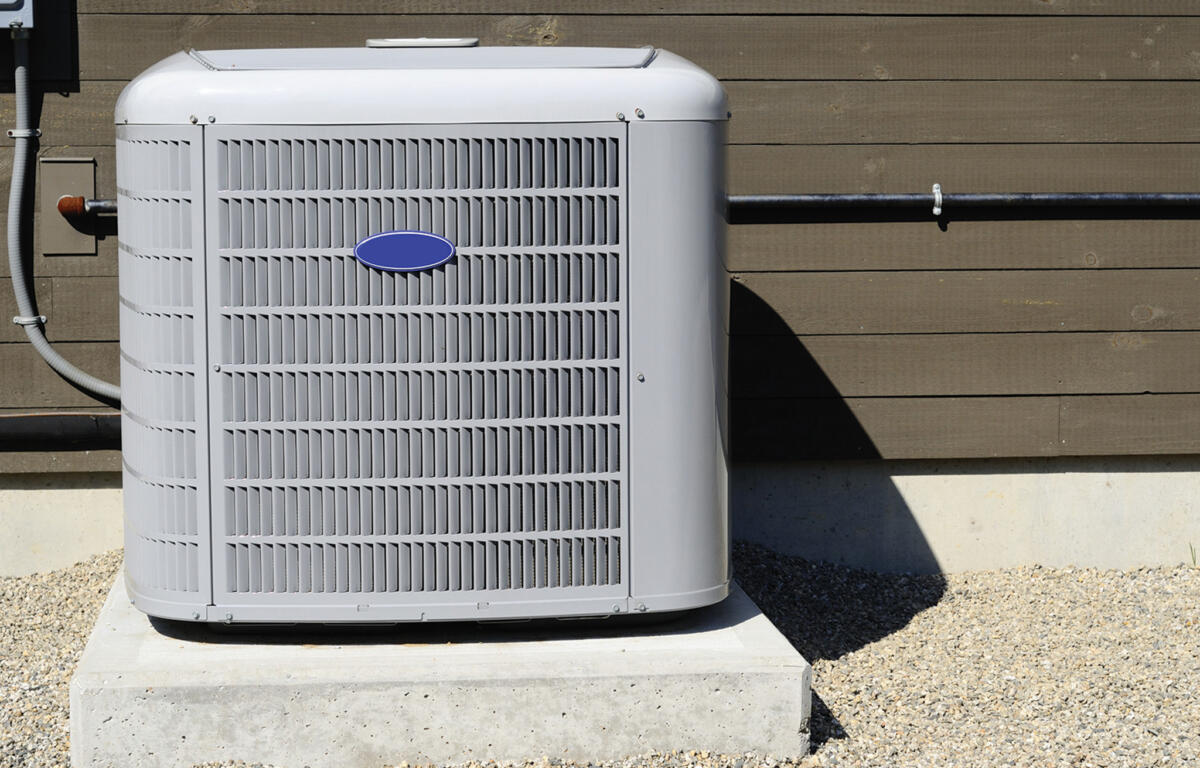

As winter fades and temperatures begin to rise in Whatcom County, homeowners are encouraged to turn their attention to their heating and cooling systems. March is a key transition period, offering an opportunity to identify potential HVAC issues before warmer weather arrives.
After months of heavy winter use, furnaces and heat pumps may show signs of wear that can affect performance, comfort and energy efficiency. A proactive approach now can help prevent unexpected breakdowns later in the year.
One of the simplest steps homeowners can take is checking and replacing air filters. Dirty filters restrict airflow, forcing systems to work harder and increasing energy costs. Most filters should be replaced every one to three months, depending on the type of system, household size and whether pets are present.
“Making sure the system filter is clean will make sure your system is working properly all-year, not just in the winter during heating months. If you don’t have AC but still run your system on continuous FAN during the summer for air circulation, the filter still plays a crucial role in the system’s airflow and blower motor functionality,” Phillip Dye said. “A clogged filter can lead to higher energy bills and leaving the system prone to more repairs. I can’t stress enough on how important it is to maintain proper airflow for a system to run smoothly. It may not be the most rewarding thing in the moment, but your wallets will be thankful in the future, along with your improved comfort year-round.”
Outdoor units should also be inspected. Leaves, moss and debris often accumulate around heat pumps and air conditioning units during the Pacific Northwest’s wet winter months. Clearing at least two feet of space around the unit allows proper airflow and reduces strain on the system.
Thermostats deserve attention as well. Homeowners should confirm that settings are accurate and responsive, especially if the system includes both heating and cooling functions. March is an ideal time to test cooling modes before they are needed regularly.
Unusual sounds, odors or inconsistent temperatures can signal underlying problems. Rattling, grinding or squealing noises may indicate loose or worn components, while musty smells can point to moisture issues or mold — a common concern in damp climates like Whatcom County.

Energy bills can also offer insight. A noticeable increase in utility costs without a change in usage may indicate declining system efficiency. Addressing these issues early can help reduce monthly expenses and extend equipment lifespan.
While homeowners can handle basic checks, professional maintenance plays an important role in long-term system performance. HVAC providers such as Feller Heating in Whatcom County recommend seasonal inspections to ensure systems are operating safely and efficiently. Technicians can examine electrical components, clean internal parts, test safety controls and identify small issues before they become costly repairs.
March is often considered a shoulder season for HVAC service, meaning appointment availability is typically greater than during peak summer or winter months. That makes it a practical time for inspections and preventive maintenance.
By taking a few steps now, Whatcom County homeowners can move into spring with confidence, knowing their HVAC systems are prepared to deliver reliable comfort in the months ahead.