


 Listen Live
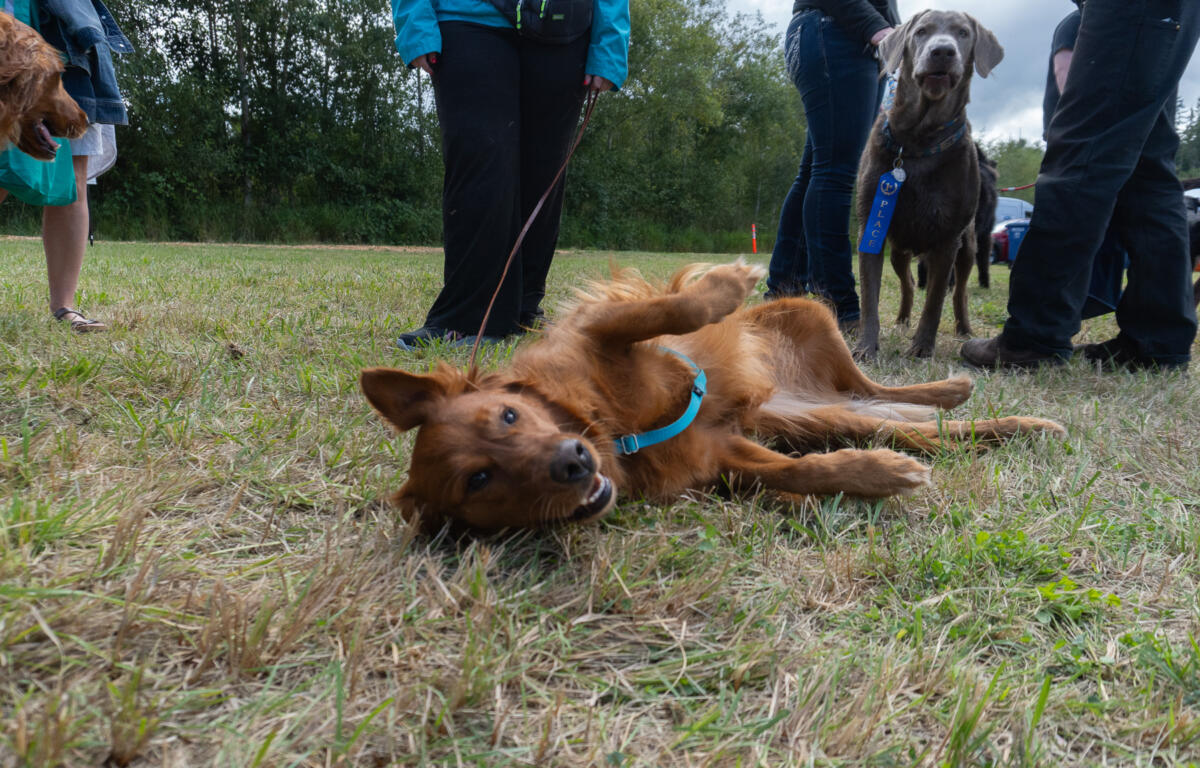

As spring arrives in Whatcom County, trees bloom and longer days signal relief from winter. But for many pets, the season brings an increase in itching, skin irritation and ear problems linked to seasonal allergies.
Veterinarians report that allergy-related visits often rise in March as pollen, mold spores and grasses become more prevalent in the Pacific Northwest. Dogs and cats can react to these environmental allergens much like people do, though symptoms often appear on the skin rather than in the respiratory system.
Seasonal allergies in pets, commonly referred to as atopic dermatitis, occur when the immune system overreacts to otherwise harmless substances in the environment. Whatcom County’s cool, damp spring climate creates ideal conditions for allergens to thrive.
“Spring and summer in the Pacific Northwest exposes our pets to more natural allergens than any time of year. It is important to talk with your veterinarian if you suspect your pet is suffering from allergies of any kind. In many cases, owners tend to believe their pet’s scratching is food related, but that may only be a part of what is really making your four legged loved one scratch, lick and chew,” Whatcom Veterinary Hospital said.
Signs Pet Owners Should Watch For
Symptoms of seasonal allergies can vary by species and individual, but veterinarians commonly observe persistent scratching or chewing, especially around the paws, face and belly. Red or inflamed skin, recurring ear infections and hair loss are also frequent indicators.
Cats may display subtler signs, such as excessive grooming or bald patches, while dogs often lick or chew their paws until the skin becomes irritated or infected.

Left untreated, allergic reactions can worsen over time, leading to painful secondary infections that require more extensive treatment.
Outdoor Exposure Plays a Role
In a region known for its trails, parks and outdoor recreation, pets are frequently exposed to allergens during daily walks and playtime. Grass, pollen and mold spores can cling to fur and skin, continuing to irritate pets even after they return indoors.
Indoor pets are not immune. Allergens can be tracked inside on shoes, clothing and other animals.
Diagnosis and Treatment
Veterinarians typically begin by ruling out other causes of itching, including fleas, mites or infections. Once allergies are identified, treatment plans are tailored to the individual pet and may include medications to reduce inflammation and itching, medicated shampoos, dietary supplements or long-term allergy management therapies.
While seasonal allergies cannot always be cured, they can often be managed effectively with veterinary guidance.
When to Seek Care
Pet owners should contact a veterinarian if allergy symptoms persist for more than a few days, worsen over time or interfere with a pet’s normal activity. Early intervention can improve comfort and reduce the risk of chronic skin problems.
As spring unfolds across Whatcom County, veterinarians encourage pet owners to remain attentive to changes in their animals’ behavior and skin health, ensuring pets can enjoy the season as comfortably as possible.