


 Listen Live

BELLINGHAM, WA (MyBellinghamNow.com) – Washington state is in a drought for the fourth year in a row.
In a press conference on Wednesday, April 8, state officials once again declared a statewide drought emergency.
According to Ecology Director Casey Sixkiller and Deputy state climatologist Karin Bumbaco, Washington’s snowpack was on average just 52% of normal levels as of April 1, the expected peak for snowpack levels.
That number is the third lowest since tracking started in 1985.
Bumbaco said the main contributor to low snowpack in the state are warmer temps, stating that we had the third warmest winter since 1895.
Sixkiller noted that the Nooksack watershed in particular will be impacted by this continuing trend of warm winters preventing proper snowpack development.
“By the end of this century, the Nooksack watershed in Whatcom County is expected to see a 45% increase in wintertime stream flows and an equivalent 45% decrease in summertime stream flows,” he said.
Declaring this drought emergency as early as April allows state agencies to accessing emergency funds including $3 million in relief grants for farms, tribes and others.
Ramifications for compounded drought conditions in the state will be felt in different ways.
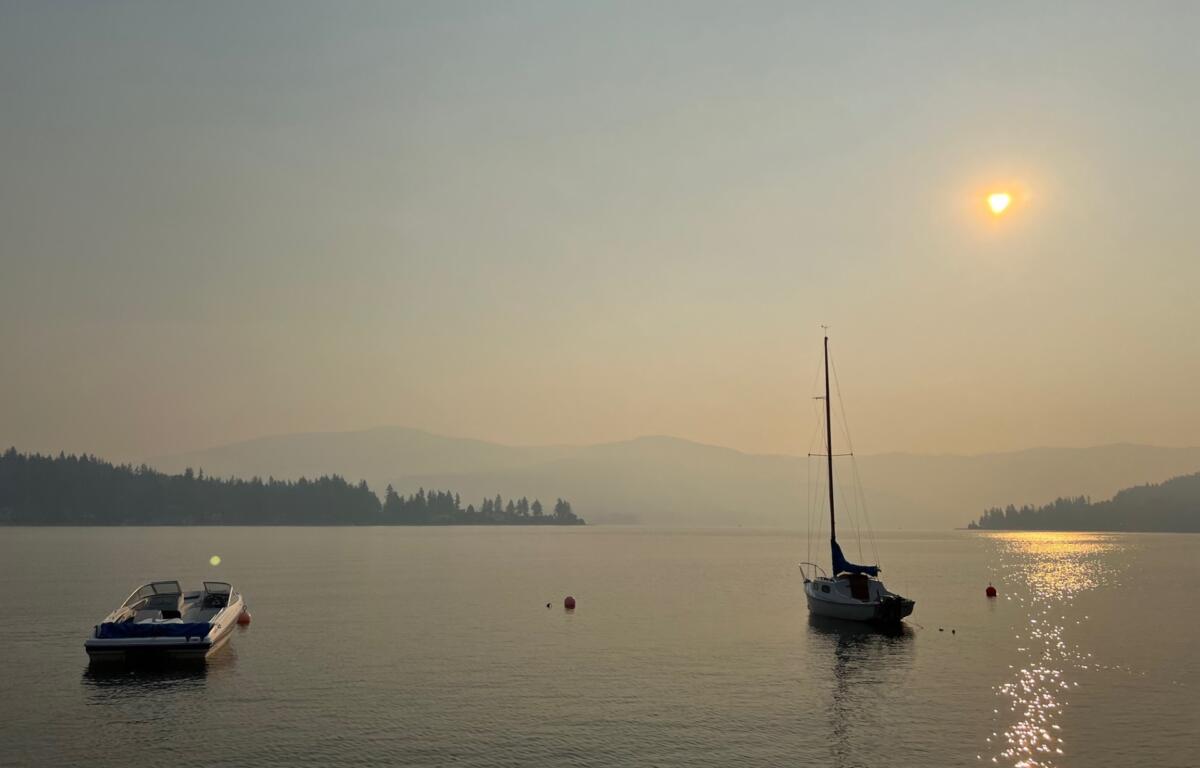
Commissioner of Public Lands Dave Upthegrove said the state Dept. of Natural Resources will be starting prep for an early fire season.
“Four straight years of drought means we are at a higher risk of wildfires this summer, fires will be more prone to start and will spread faster. It’s also clear that a changing climate is really driving a forest health crisis that’s driving this wildfire crisis,” Upthegrove said. “Fortunately, this last year, just weeks ago, the legislature fully restored our funding for wildfire prevention and forest health.”
State officials have already begun the work to protect the state’s lands against blazes, including hiring seasonal fire fighters and clearing brush.
Assistant Secretary for Washington’s Dept. of Health Lauren Jenks noted that now is the time to start preparing for the potential lengthy fire season by investing in air purifiers and community building with vulnerable neighbors.