


 Listen Live
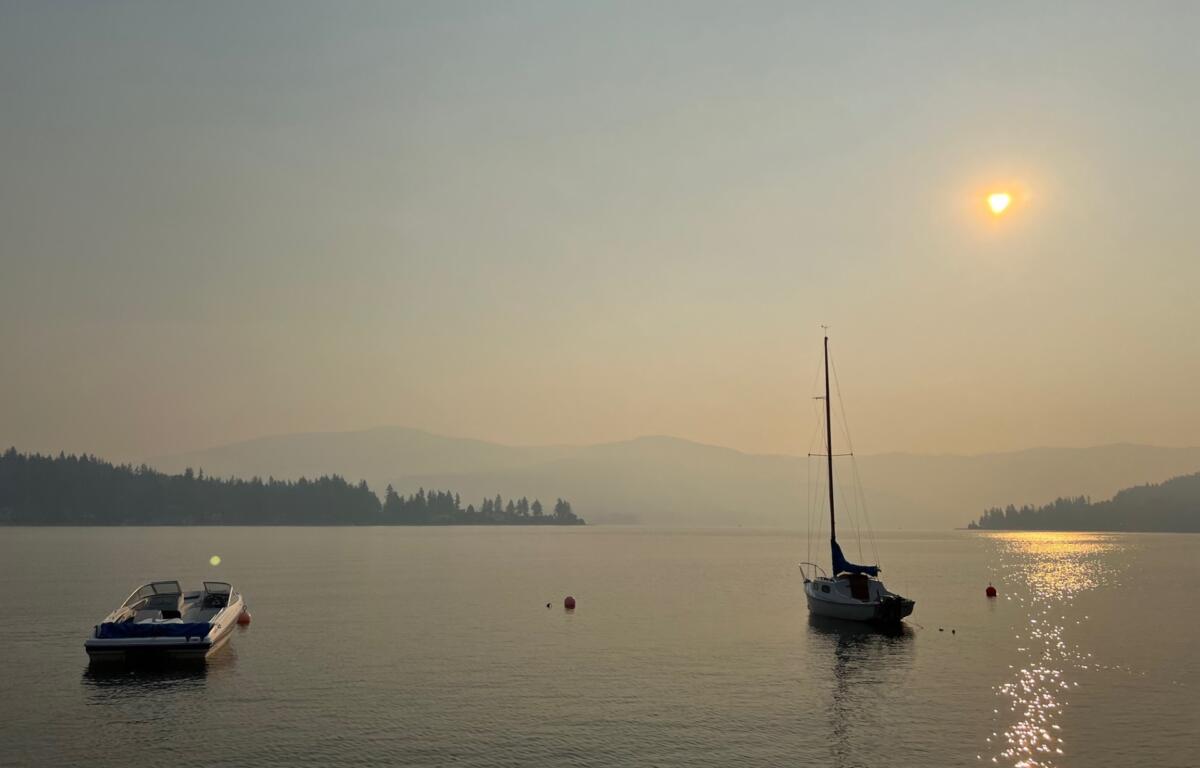

June 1-5 is Smoke Ready Week, which is when regional local, state, and federal agencies encourage area residents to prepare now for wildfire smoke and potential health impacts by sharing information, tips, and resources.
Each day will have a different focus ranging from smoke impacts to keeping needed supplies on hand in case you must shelter inside.
Unfortunately, signs continue to point toward an active wildfire season.
“As a developing El Niño pattern brings a warmer, drier summer to the Pacific Northwest, we are preparing for an earlier start to our regional wildfire season this July and August. While this shifting climate pattern means we may see more smoky days than usual, simple preparations can keep your indoor air clean and comfortable,” said Evan Bing, who manages the Northwest Clean Air Agency’s monitor and sensor network and provides air quality forecasts.
“Take a moment now to check your home’s air filters and make sure your ventilation systems are set to recirculate. You can easily stay proactive and track real-time air quality updates all summer long by visiting our website,” Bing noted.
More resources – including NWCAA’s social media platforms – are listed below.
Some reminders
Remember: Wildfires don’t even have to be in northwest Washington for us to be flooded with wildfire smoke. We have seen smoke pour in from fires in Canada, Eastern Washington, Oregon, California, Idaho, and even overseas locations. All this smoke is loaded with too-tiny-to-see particles that you can inhale deeply into your lungs, where they damage delicate tissues. People with heart and lung issues, the elderly, and children are most at risk. But anyone can be harmed by breathing in smoke.
It’s important for everyone to reduce their exposure to smoke. Wildfire smoke irritates your eyes, nose, throat, and lungs. It can make it hard to breathe and make you cough or wheeze.
Stay inside as much as possible with doors and windows closed
Make sure you’re aware of possible wildfire smoke events before the smoke reaches our area and have a plan!
· Track local media reports.
· Pay attention to local government alerts.
· Check NWCAA’s social media (X/Twitter, Facebook, Threads, and Instagram) and our website.
Also, be sure to check out these handy resources:
· NWCAA’s Wildfire Smoke Information page
· NWCAA’s Air Quality Center
· AirNow Fire and Smoke Map
· How to make your own clean air fan (video)
NWCAA will share more information as it becomes available.