


 Listen Live
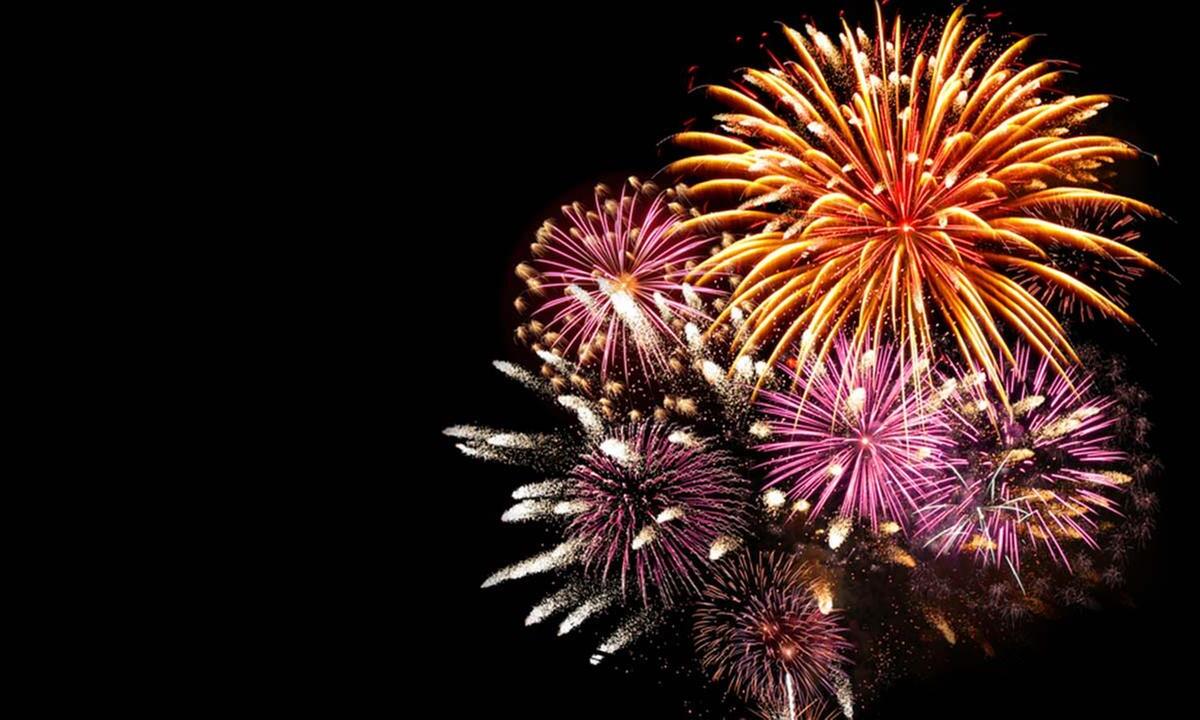

WHATCOM COUNTY, WA (MyBellinghamNow.com) – July marks the 250th “birthday” of the United States of America, and chances are good that fireworks will be lighting up the night sky.
Some things to keep in mind:
Northwest Clean Air Agency (NWCAA) data show one of the highest annual spikes in fine particle pollution in area counties occur on the night of July 4 and into the early hours of July 5. This sharp rise is directly linked to the widespread use of fireworks. In fact, aside from wildfire smoke and winter woodstove burning, fireworks are among the top contributors to unhealthy short-term air pollution in the region.
That’s because fireworks smoke contains a mix of harmful pollutants, including fine particulate matter (PM2.5), sulfur compounds, and heavy metals like barium, strontium, and copper, which are used to produce the colors we see in fireworks displays. These pollutants can easily be inhaled deep into the lungs, where they can cause damage. Children, seniors, and those with compromised immune systems (like asthma, heart disease or other respiratory issues) are particularly vulnerable.
Beyond health concerns, fireworks also present serious fire and safety risks.
If you do choose to celebrate with fireworks this year, take appropriate safety precautions:
- Use fireworks only in legal and safe areas. Always follow local laws and burn bans, which may vary by city and county.
- Keep a bucket of water or a hose nearby. Douse used fireworks with water before disposal to prevent accidental fires.
- Wear protective eyewear. Many injuries can be avoided with simple precautions.
- Avoid lighting fireworks near dry grass, trees or buildings.
- Protect your lungs. Try to stay upwind of fireworks smoke and limit exposure, especially if you or your family members are in a sensitive health group.
Check out NWCAA’s Air Quality Center before and during your celebration. This helpful tool offers up-to-date air quality monitoring throughout area counties.
Speaking of smoke
Signs continue to point toward an active wildfire season. During recent weeks, upper-level smoke has been visible at times, though it has not affected the air we breathe at lower elevations.
Some reminders:
Make sure you’re aware of possible wildfire smoke events before the smoke reaches our area and have a plan!
- Track local media reports.
- Pay attention to local government alerts.
- Check NWCAA’s social media (X/Twitter, Facebook, Threads and Instagram) and our website.
Also, be sure to check out these handy resources:
- NWCAA’s Wildfire Smoke Information page
- NWCAA’s Air Quality Center
- AirNow Fire and Smoke Map
- How to make your own clean air fan (video)
NWCAA will share more information as it becomes available.