


 Listen Live
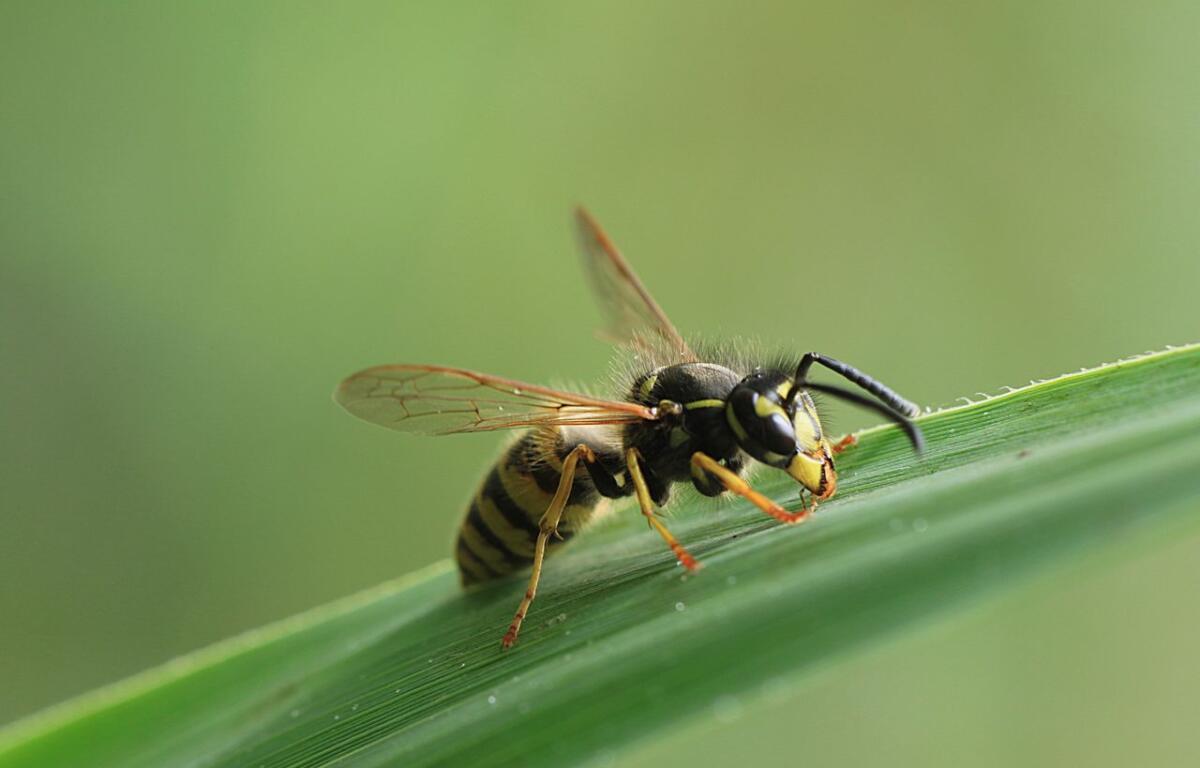

Bugs are a part of life. Insects fill an important niche in the ecosystem. It can be hard to remember this when you’re swatting away flies inside the house and dodging some dive-bombing wasps as you try to operate the grill for a barbecue.
Keeping life harmonious with the various life in the world can be a hassle, but Bio Bug can help you figure out how to keep your family safe while finding the best course of action for bugs near the home.
Hornets, yellowjackets and wasps are known for their aggressive defense of their colonies from perceived threats. Considering removal of the insects from near your home or in your garden can be a good idea if there is a risk to you and your family’s health. 
Bio Bug’s Steve Cornwell wants people to be wary of when they spot what looks like a nest or colony on or near their property and leave action to the professionals.
“Treating a wasp, hornet or yellow jacket nest can be painful or even dangerous and is better left to the professionals. Wasps, hornets and yellow jackets release an attack pheromone when they feel threatened which then makes the entire nest agitated and aggressive,” Cornwell said. “Yellow jacket nests can between 4,000 and 5,000 yellow jackets. That is a numbers game that you don’t want to play. Most people can handle one or two stings, but often people treating nests suffer dozens of stings and have to seek medical help. Professionals have the knowledge, experience and equipment to safely and efficiently eliminate these stinging insects.”
Sugary foods and meat will attract more wasps to your area, especially as summer ramps up. Be sure to keep an eye on foods left out and what stinger-equipped insects are in the area.
Various species of hornets and wasps have differently shaped nests, which’ll tell you about what insects reside inside that colony. When in doubt on whether a nest is still occupied or what you may be looking at, calling an expert will ensure the risk is handled with care and knowledge.