


 Listen Live
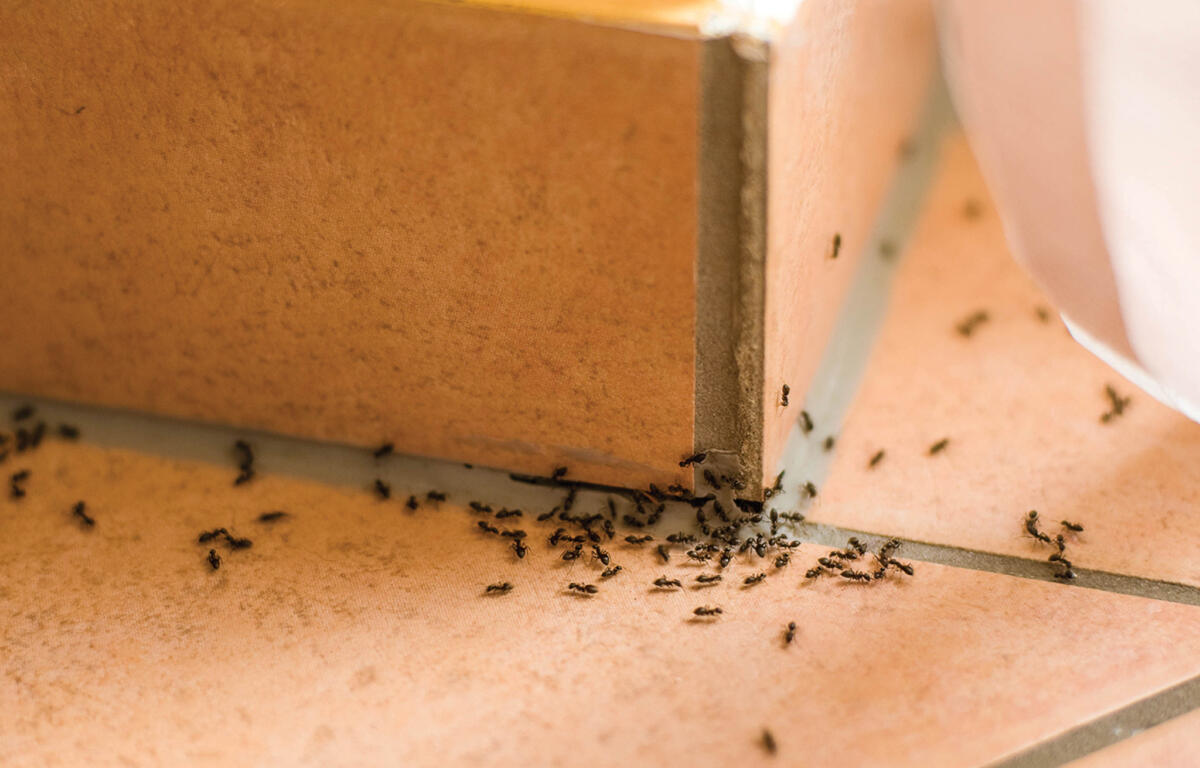

As temperatures rise in May, many Whatcom County homeowners notice an uptick in odorous house ants, commonly known as sugar ants. These small, dark ants are among the most frequent household pests in the Pacific Northwest, and late spring marks the beginning of their most active season.
Odorous house ants earn their name from the strong, unpleasant smell they emit when crushed, often compared to rotten coconut or blue cheese. While they do not pose a direct health risk, their tendency to form large colonies and invade kitchens, bathrooms and pantries makes them a persistent nuisance.
According to Bio Bug, May is a critical time for prevention. Increased moisture from spring rains, combined with warmer days, pushes ant colonies to forage aggressively for food and seek shelter indoors.
“Odorous House Ants can be the most irritating and difficult pests to deal with. The nature of their biology enables them to reinfest over and over again. The technicians at Bio Bug have the knowledge and training to offer a permanent solution,” said Steve Cornwell.
Experts recommend starting with basic exclusion and sanitation. Homeowners should seal cracks around windows, doors and foundations, paying close attention to utility entry points. Trimming vegetation away from the home can also help, as ants often use branches and shrubs as bridges to access siding and eaves.
Inside the home, keeping food sealed and surfaces clean is essential. Sugar ants are especially attracted to sweets, grease and pet food. Regularly wiping counters, sweeping floors and promptly addressing spills can reduce attractants that draw ants indoors.

Moisture control is another key factor in Whatcom County’s damp spring climate. Fixing leaky pipes, improving ventilation in bathrooms and crawl spaces, and ensuring proper drainage around the foundation can make a home less appealing to ants seeking water sources.
While store-bought baits and sprays may offer temporary relief, professionals caution that these products often fail to eliminate the colony itself. Odorous house ants frequently nest in multiple locations, including wall voids, under floors and outdoors, making complete eradication challenging without targeted treatment.
Local pest control companies often use integrated pest management strategies, combining inspection, exclusion, habitat modification and carefully applied treatments. This approach focuses on long-term control rather than short-term suppression.
With summer approaching, experts encourage homeowners to act early. Addressing ant issues in May can prevent larger infestations later in the season, when colonies expand and become more difficult to manage.
For Whatcom County residents, proactive steps now can help ensure odorous house ants remain outdoors — where they belong — throughout the warmer months ahead.